90s Makeup Ideas for the Stage
6th August, 2026
If you’ve ever tried following a 90s makeup tutorial from a beauty blog or vlog, you’ll know they are often fit with everyday wear for the likes of coffee dates, office hours, maybe a night out.
You take the same subtle brown lips and softly smoked eyes onto a stage and they’ll vanish the moment the lights come up! Here is the catch; stage lighting can be quite unforgiving in the way it washes out colour. It will flatten dimension and melt those delicate formulas within minutes.
In this guide I’ll show you how to take the most iconic 90s makeup looks and adapt them specifically for theatre, dance and costume performances. You’ll learn what defines each look, how to amp up the intensity so it reads from the back of the auditorium, and which professional products will keep everything in place through encores, ovations and everything in between.
Key Takeaways
- 90s makeup relies on matte skin, defined lips and soft smoky eyes.
- Stage versions need stronger definition than everyday makeup to read from a distance.
- Different 90s looks suit different productions. For instance, Supermodel for elegant pieces, Grunge for edgier work, Pop Star for high-energy dance numbers.
- Professional theatrical products hold colour and coverage far longer than everyday cosmetics.
- Careful contouring and setting stop features from flattening out or disappearing under stage lighting.
What Defines 90s Makeup?
Before adapting anything for the stage, it is best to know exactly what 90s makeup means.
It is a decade that wasn’t about one single look; It moved from polished supermodel glamour to grunge minimalism to glossy pop shimmer.
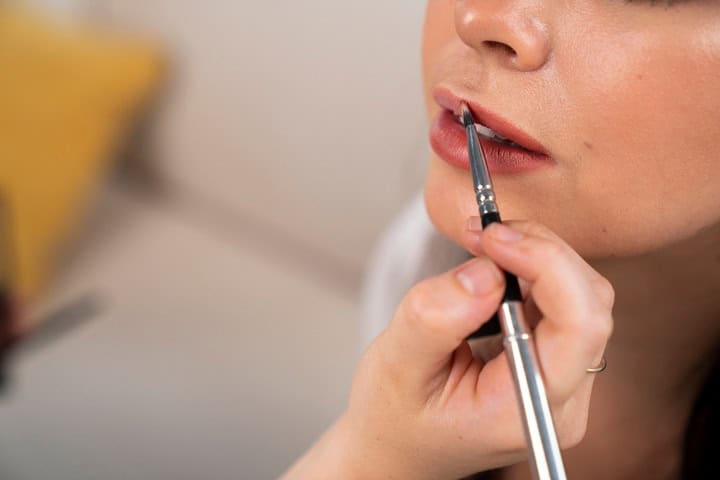
That said, a few features run through nearly all of it:
- Matte, shine-free complexions: foundation was blended for an even, powdered finish rather than the dewy skin popular today.
- Brown lip liner: often lined slightly outside the natural lip line and worn with or without lipstick on top.
- Neutral or muted lipstick: think dusty rose, beige and warm brown tones.
- Thin, sharply arched brows: a defining and very deliberate feature of the era.
- Soft contour and blush: used to sculpt the cheekbones rather than add colour, kept subtle and blended.
These elements combine differently depending on the specific 90s subculture you’re recreating. Whether that’s high-fashion supermodel glamour, grunge, or pop star sparkle, which we’ll cover in detail below.
Why 90s Makeup Needs Adapting for the Stage
Here’s the thing about stage lighting: it doesn’t just illuminate, it erases.
Bright lights will tend to wash out natural skin tones, flatten facial features and make pale lips disappear entirely.
You might have that beautifully subtle 90s brown lip you saw in a magazine.
Under a theatre’s rig, it’ll look like you’re wearing nothing at all. Those softly smoked eyes will read as undefined smudges from row ten.
This is why everyday 90s makeup needs three key adjustments for the stage:
- Intensity: Everything needs to be darker, bolder and more saturated. That means going two or three shades deeper on lips, eyes and contour than you would for natural light.
- Definition: Stage lighting flattens dimension. You need stronger contour under cheekbones and jawline, more pronounced brow definition and sharper lip lines to ensure your features don’t merge into a single flat surface.
- Durability: Performers sweat under hot lights. Makeup needs to stay put through costume changes, choreography and emotional scenes. Setting powder and setting spray aren’t optional.
Here’s a quick comparison to help you differentiate between the two:
| Feature | Everyday 90s Makeup | Stage 90s Makeup |
|---|---|---|
| Contour | Soft, barely-there sculpting | Stronger, more defined contour lines |
| Color intensity | Muted, natural tones | Richer, more saturated pigments |
| Lip liner | Subtle outline | Bolder, more visible definition |
| Eye makeup | Soft blending | Deeper shadow placement for visibility at distance |
| Setting | Light powder | Full setting for sweat and heat resistance |
| Longevity | Hours | Full rehearsal-to-curtain-call durability |
Shine control comes in handy, especially important during longer performances. More so under hot stage lights where sweat can quickly break down foundation and powder.
A finishing product such as an anti-shine matte gel helps keep stage makeup shine free throughout a performance, without needing constant touch-ups in the wings.
Supermodel 90s Makeup Look
The supermodel look of the 90s was all about polished, structured glamour.
Think sculpted cheekbones, glossy neutral lips and a flawless matte base.
It’s a strong choice for productions calling for sophistication, elegance or a high-fashion aesthetic.
How to build it for the stage:
- Start with a full-coverage matte foundation applied evenly across the face and blended down the neck to avoid visible lines under lighting.
- Contour more heavily than you would for everyday wear, sculpting under the cheekbones, jaw and hairline so structure reads from a distance.
- Set with powder to lock in the matte finish before adding blush.
- Sweep a soft, warm blush across the cheeks, blended upward for lift.
- Line lips with brown liner, slightly overdrawn for stage visibility, then fill with a neutral or dusty rose lipstick.
- Keep eyes soft, a light wash of brown or taupe shadow with well-defined brows completes the look.
Since this look depends entirely on a flawless, even base, foundation quality is very important.
A theatre makeup foundation built for stage use gives the coverage and blendability needed to hold up under hot lights for a full performance.
Grunge 90s Makeup
Grunge makeup is the moodier, more rebellious counterpart to the supermodel look.
I am talking things like smudged dark eyeliner, muted lips and minimal blush, built to look effortlessly undone.
It works well for productions with an edgier, alternative or rock-inspired tone.
Key elements to recreate:
- Dark, smudged eyeliner around the entire eye, softened with a smudge brush rather than sharply lined
- Deep, muted eyeshadow in brown or plum tones, blended without hard edges
- Minimal, barely-there blush, or skip it entirely for a more washed-out effect
- Muted lips in brownish-red or deep plum, applied with a slightly imperfect, “worn-in” finish
- Matte skin with visible texture kept intentionally understated rather than airbrushed
For the stage, smudged eyeliner needs to stay smudged in the intended way rather than fading or smearing unevenly by the second act.
Using a long-wearing, pigment-rich product designed for performance work, such as Ben Nye stage makeup helps the look stay controlled and consistent through rehearsals and live shows alike.
Pop Star Inspired 90s Makeup
Frosted eyeshadow, glossy lips and metallic accents define the pop star look of the era, bold, bright and built to catch the light.
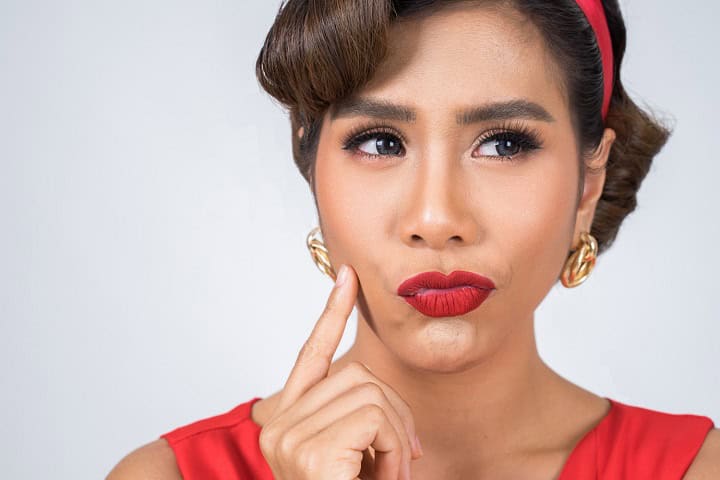
This is a natural fit for dance numbers, music-driven productions or any performance that calls for energy and visibility.
Building the look:
- Apply a bold blush in a bright pink or coral shade, placed high on the cheeks for a youthful, energetic finish.
- Use frosted or metallic eyeshadow across the lid, choosing shades with visible shimmer that will catch stage lighting.
- Add metallic accents at the inner corner or brow bone for extra dimension.
- Finish lips with a glossy, high-shine formula in a bold or classic red, a look that reads clearly from a distance.
- For dance performances especially, durability matters more than usual, since movement and body heat can cause gloss and shimmer to shift.
If your character or number calls for classic bold lips, a red palette built for stage use gives you access to classic red stage lips that stay vivid under lighting rather than fading into a muddy tone.
For the frosted, metallic finish this look depends on, professional shimmer pigments help you add theatrical shimmer with professional sparkle pigments designed to catch stage lighting without flaking off mid-performance.
Creating 90s Eye Makeup That Reads Under Stage Lights
Eye makeup is often the first thing to disappear under stage lighting, so getting the placement and intensity right matters no matter which 90s look you’re building.
- Shadow placement: build colour into the crease rather than just the lid, so the eye has visible depth and dimension from a distance.
- Eyeliner: go slightly heavier than you would for everyday wear, and extend definition just past the natural lash line for visibility.
- Lash emphasis: false lashes or heavier mascara application help eyes read clearly, especially in larger venues.
- Brow highlighting: a touch of light shadow or highlighter just under the brow bone opens up the eye area under bright lighting.
- Audience distance check: where possible, test the finished look from the back of the auditorium or rehearsal space, since colours and lines that look strong up close can flatten out entirely from a distance.
Finishing Touches for Long Performances
Here are some finishing steps to help stage your makeup hold up through rehearsals, quick changes and long performance runs:
- Powder thoroughly after every layer of cream product to lock it in place.
- Set strategically around the T-zone and any areas prone to shine or sweat.
- Plan touch-up points during scene changes or intervals rather than waiting for makeup to visibly break down.
- Prioritise sweat resistance for dance-heavy productions, where movement and body heat put extra strain on makeup.
- Keep a backstage kit with the essentials for quick fixes between scenes.
This becomes especially important for dance productions, where movement puts makeup under constant pressure.
For more detail on building a look that holds up through choreography, our guide to stage makeup for dancers covers durability techniques specific to dance performance.
Completing the Character with Hair and Costume
Makeup is only one part of bringing a 90s character to life on stage. Hair and costume also need to work together with the makeup to create a convincing, cohesive look.
- Match hairstyles to the specific 90s subculture you’re recreating, sleek and polished for supermodel looks, textured and undone for grunge, or voluminous and glossy for pop star inspired characters.
- Wigs can be a reliable way to achieve authentic 90s silhouettes without relying on a performer’s natural hair length or texture, and they hold up consistently across a full run of performances.
- Coordinate makeup intensity with costume colours and fabrics, so nothing clashes or gets lost under stage lighting.
- Keep the whole look consistent from first rehearsal to closing night, adjusting only for wear and touch-ups.
If your production needs custom or character-specific hair, our guide on wigs for stage performances walks through building and styling wigs that hold up to performance conditions.
Why Professional Products Make the Difference
Authentic 90s stage makeup depends on products built for performance, not just everyday wear. There are highly pigmented formulas, durable finishes and lighting-tested colours that separate a look that survives a full show from one that needs constant repair between scenes.
Treasure House of Makeup supplies theatres, performers, colleges and makeup artists with professional foundations, the Ben Nye range, skin preparation essentials and finishing products, all chosen to help you recreate authentic 90s looks that hold up under demanding stage conditions.
Conclusion
Recreating 90s makeup for the stage is about balancing nostalgia with practicality.
The decade’s signature details like matte skin, defined lips, soft smoky eyes, sharp brows, are all still recognisable albeit they need to be built with stronger definition, richer pigment and better staying power than the everyday version ever required.
With the right techniques and professional products behind you, you can bring any of these looks: supermodel, grunge or pop star to life on stage while staying true to what made them iconic in the first place.
FAQs
What makeup trends defined the 90s?
The decade is best known for matte complexions, brown lip liner paired with neutral lipstick, thin arched brows, soft contour and understated blush.
Depending on the subculture, this could lean towards supermodel polish, grunge’s smudged and muted style, or pop star looks built around frosted shimmer and gloss.
How do you make 90s makeup visible under stage lights?
Increase contour intensity, use richer and more saturated colour than you would for everyday wear, and set everything thoroughly to prevent shine or fading. Testing the look from a distance before performing helps confirm it reads clearly from the audience.
Which 90s makeup look works best for theatre performances?
It depends on the production. Supermodel makeup suits elegant or high-fashion roles, grunge fits edgier or alternative characters, and pop star looks work well for high-energy dance or music numbers.
What products help 90s makeup last through a performance?
A skin prep product to control shine, a durable theatrical foundation, professional setting powder and a matte finishing gel all help stage makeup survive rehearsals, quick changes and full performance runs.

Hey there! I’m Isabelle Kerrington, and I’m thrilled to share my passion for the performing arts through my blog. Focusing on theatre makeup, my posts will cover everything from product recommendations to helpful tips and engaging tutorials. Join me on this exciting journey as we explore the magical world of theatre makeup together.