Different Types of Eyeliner Looks: How to Choose & Apply the Right Style
1st December, 2025

Eyeliner can completely transform your eyes — but only when it’s applied in a way that works with your natural shape.
If your liner never seems even, balanced, or flattering, you’re not alone — most people simply haven’t learned how their eye shape influences the result.
This guide walks you through identifying your eye shape, choosing liner placements that flatter your features, and recreating classic, creative, and trending eyeliner looks. Whether you’re a beginner or building confidence for stage or photography, you’ll find practical guidance you can apply straight away.
Browse professional eye makeup
KEY TAKEAWAYS
- Eye shapes respond differently to specific eyeliner placements.
- Small changes to thickness, angle, or softness can lift or elongate the eyes.
- Classic and trend-led styles each offer their own techniques and challenges.
- Product choice matters; pencils, gels, and liquids create different finishes.
- Wing symmetry is achievable with simple guiding techniques.
How Do You Know Your Eyes Aren’t Balanced? (Eye Proportion Basics)
If your eyeliner looks uneven despite applying it carefully, your eyes may not be perfectly symmetrical — and that’s completely normal. Differences in lid height, crease depth, brow arch, or lash-line thickness can make an identical application look unbalanced.
A quick way to check is to look at the space between your lash line and your crease. One eye may have more visible lid space, or the crease might sit slightly lower. Sometimes the outer corners tilt at different angles, creating the illusion of an uneven wing. When this happens, adjusting liner thickness or flick direction on each eye can help, it’s about balancing the appearance, not matching the lines exactly.
How to Determine Your Eye Shape
Understanding your eye shape helps you choose eyeliner placements that compliment your natural structure rather than fight against it.
Almond Eyes
Often considered the most balanced shape, almond eyes taper softly at each end. You’ll see a visible crease and the iris touches the top and bottom of the eyelids only slightly. Most eyeliner looks suit this shape, making it beginner-friendly.
Starting suggestion: A classic winged line that follows the natural curve.
Round Eyes
Round eyes show more of the white around the iris, giving them an open, expressive look. The lash line curves evenly with a more circular appearance.
Starting suggestion: A straight or slightly outward-angled wing to elongate.
Hooded Eyes
Hooded shapes have a fold of skin that partially or fully overlaps the crease, making the lid less visible. Wings may disappear into the fold if placed too low.
Starting suggestion: A thin line across the inner eye that gradually thickens outward.
Monolids
Monolids have a smooth, flat surface with no visible crease. This shape works beautifully with bold, graphic lines because the lid acts like a canvas.
Starting suggestion: Liquid or gel liner for clean definition.
Downturned Eyes
The outer corners tilt lower than the inner corners, creating a natural downward slope.
Starting suggestion: Upward-angled wings that lift the outer corner.
Upturned Eyes
The opposite of downturned eyes — the outer corners sit higher than the inner corners.
Starting suggestion: A balanced wing or soft smudge along the lower lash line.
Most people don’t have a single “perfect” eye shape, features overlap. Use these descriptions as a guide, not a rule.
Different Types of Eyeliner Styles
This section explores the classic and trending eyeliner looks you’ll see most often — and how to apply them.
Classic Styles
These classic techniques are some of the most adaptable, different eyeliner styles, suitable for everyday wear, stage performance, and photography.
Winged Eyeliner
The timeless cat-eye elongates and sharpens the eye. Start by marking the wing angle first, then connect back to the lash line so both sides match.
Tightlining
This subtle technique fills the upper waterline to thicken the lash base. It’s ideal for natural looks or for intensifying dramatic ones.
Smudged or Soft-Focus Liner
Using a pencil or powder, blend along the lash line for a soft, smoky finish. Great for beginners due to its forgiving texture.
Waterline Liner
Placing liner on the lower or upper waterline adds depth. Dark shades intensify; nude shades open the eye.
Trend-Led or Creative Styles
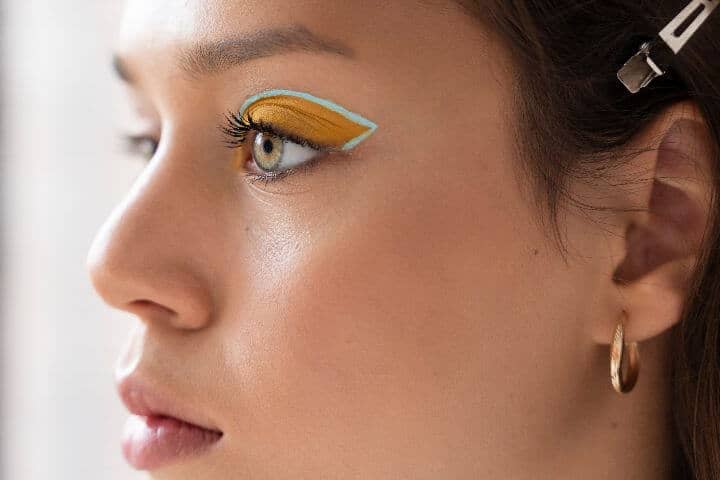
Graphic Liner
Angles, shapes, and double wings create a striking editorial effect.
Inner Corner Accent
A small flick or metallic touch at the tear duct brightens and sharpens the eye.
Reverse Cat-Eye
The wing is drawn from the lower lash line upward. It creates a sultry, smoked-out effect.
Floating Crease Liner
A line above the natural crease for an artistic, modern vibe.
Coloured Eyeliner
Bright or pastel eyeliner adds a playful twist and enhances certain eye colours.

Flick Liner for a Lifted Effect
A flick immediately lengthens the eye by extending the shape outward and upward. Small flicks give a gentle lift suited to everyday looks, while longer, sharper wings create drama for evening or stage performances. Adjusting the angle helps balance asymmetry and bring harmony to uneven eyes.
A wing is one of the fastest ways to visually lift the outer corners of the eyes.
Iconic & Trending Eyeliner Looks
These iconic moments show how different eyeliner looks can change the mood of your makeup completely, from soft and romantic to sharp and editorial.
Here are some of the most recognisable and currently popular styles:
60s Mod Liner
Bold, exaggerated wings paired with defined lower lashes. Works well for stage or retro-inspired shoots.
Soft Glam Wing
A blended, smoky wing that keeps the outer definition without harsh lines. See how to do smokey eye makeup
Smokey Liner
A dense, blurred line along the lashes, ideal for photography and evening wear.
K-Beauty Puppy Liner
The wing gently slopes downward, giving a cute, soft look that suits round or upturned eyes.
Fox-Eye Liner
Elongated inner and outer corners create a lifted, sleek shape.
How to Match Wing Angles on Both Eyes
Symmetrical wings don’t require artistic talent — just a simple method. Start by marking small dots where you want each wing to end. Use the natural curve of your lower lash line as a guide, extending its angle upward. When working with hooded eyes, draw the wing slightly higher than you think you need so it remains visible when the eye is open.
Choosing the Right Product (Liquid vs Pencil vs Gel)
Before exploring individual techniques, it helps to understand the different types of eyeliner available, as each formula creates a slightly different effect.
Liquid Eyeliner
Liquid liner offers precision and crisp edges perfect for wings and graphic styles. It’s ideal for those who prefer a sharp finish or need strong definition under stage lights.
Try liquid eye liner
Pencil Eyeliner
Pencils suit soft definition, smudging, and mature eyes. They glide smoothly and blend easily, making them perfect for natural or smoky styles.
Try eye liner pencil
Gel Eyeliner
Gel offers the bold impact of liquid with the control of a brush. It’s an excellent option for monolids or anyone who likes dramatic styles that stay put.
Eyeliner Product Comparison
| Formula | Finish | Best For | Longevity |
| Liquid | Sharp, defined | Wings, graphic looks | High |
| Pencil | Soft, blendable | Natural, mature eyes | Medium–High |
| Gel | Bold, smooth | Monolids, dramatic styles | High |
Which Eyeliner Suits Each Eye Shape?
Once you know your eye shape, you can choose liner placements that highlight your best features.
Best Eyeliner for Hooded Eyes
Hooded eyes benefit from a subtle approach at the inner corner, gradually thickening at the outer edge to create lift. Wings should be angled upward so they remain visible when the eye is open. Avoid heavy lower-lash lining, which can drag the eye downward.
Try liquid eye liner
Best Eyeliner for Monolids
Monolids work beautifully with graphic lines and smooth strokes. Liquid and gel formulas glide evenly over the surface, while pencil can be smudged for a softer look. Tightlining is especially effective for adding depth at the roots of the lashes.
Best Eyeliner for Round Eyes
To elongate round eyes, focus depth toward the outer third of the lash line. A wing that extends outward rather than upward helps create balance. Avoid heavy liner all the way around the eye, which can exaggerate the circular appearance.
Best Eyeliner for Almond Eyes
Almond eyes can wear almost any eyeliner style comfortably. Classic wings enhance symmetry, while smudged liner adds softness. This shape adapts well to both sharp and blended looks.
Best Eyeliner for Downturned Eyes
A lifted outer corner is key. Soft shading at the outer third, paired with an upward flick, counters the natural downward tilt. Keeping the lower-lash line light avoids pulling the eyes down.
Best Eyeliner for Mature Eyes
As skin becomes more textured, softer products create a smoother finish. Pencils glide over fine lines more easily than sharp liquids, offering gentle definition without harshness.
Try eye liner pencil
There’s no single best eyeliner look, only the one that makes your natural features shine. Experimenting with different shapes, angles, and formulas helps you discover what feels most comfortable and flattering. With practice and the right products, anyone can master everything from subtle definition to bold, expressive liner.
Practical Eyeliner FAQs
Water-Resistant Eyeliner — Who Needs It?
Water-resistant formulas benefit anyone exposed to long days, humidity, tears, or bright stage lights. They help keep your liner clean and intact without smudging.
Why Does Liquid Eyeliner Flake?
Flaking often happens when applying thick layers, using an older formula, or applying liner directly on oily lids. Try thin strokes, allow drying time, and use a primer if needed.
Should You Apply Eyeliner or Eyeshadow First?
Most looks work best when eyeshadow is applied first. For graphic styles, however, starting with eyeliner helps you sketch clean shapes without powder interference.
Top vs Bottom Liner — What’s More Flattering?
Top liner tends to lift and define the eyes. Bottom liner can make eyes appear smaller if applied heavily, but when used sparingly it creates intensity and balance.
Does Eyeliner Suit Everyone?
Absolutely. Every eye shape can wear eyeliner — the key is choosing placement, thickness, and product type that complements your features.

Hey there! I’m Isabelle Kerrington, and I’m thrilled to share my passion for the performing arts through my blog. Focusing on theatre makeup, my posts will cover everything from product recommendations to helpful tips and engaging tutorials. Join me on this exciting journey as we explore the magical world of theatre makeup together.